Do pleated mesh doors require lubrication for smooth operation?
As a supplier of Pleated Mesh Doors, I often encounter questions from customers regarding the maintenance and operation of these products. One common inquiry is whether pleated mesh doors require lubrication for smooth operation. In this blog post, I will delve into this topic, exploring the factors that influence the need for lubrication and providing practical advice on maintaining the optimal performance of pleated mesh doors.
Understanding Pleated Mesh Doors
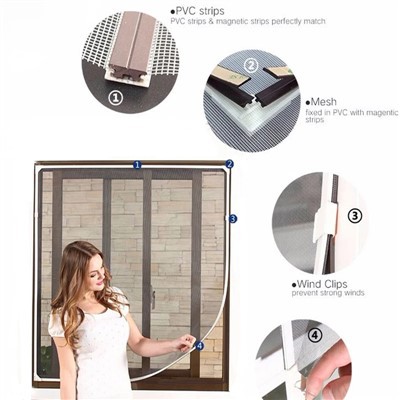
Before discussing the need for lubrication, it's essential to understand what pleated mesh doors are and how they function. Pleated mesh doors, also known as Pleated Fly Screen or Pleated Mosquito Net, are innovative solutions designed to provide protection against insects while allowing fresh air to circulate freely. These doors consist of a mesh material that is pleated and attached to a frame, which can be easily opened and closed.
The pleated design of these doors allows them to be compactly stored when not in use, making them an ideal choice for spaces where traditional doors or screens may not be practical. They are commonly used in residential and commercial settings, such as homes, offices, restaurants, and cafes.
Factors Influencing the Need for Lubrication
Several factors can influence whether pleated mesh doors require lubrication for smooth operation. These include:
1. Material and Quality of Components
The quality of the materials used in the construction of pleated mesh doors can significantly impact their performance and the need for lubrication. High-quality components, such as durable mesh materials, smooth-running tracks, and well-designed rollers, are less likely to require frequent lubrication. On the other hand, doors made from lower-quality materials may experience more friction and wear, leading to a greater need for lubrication.
2. Frequency of Use
The frequency with which a pleated mesh door is used can also affect its lubrication requirements. Doors that are opened and closed frequently, such as those in high-traffic areas, may require more regular lubrication to maintain smooth operation. Conversely, doors that are used less often may not need lubrication as frequently.


3. Environmental Conditions
The environmental conditions in which a pleated mesh door is installed can also play a role in determining the need for lubrication. Doors exposed to harsh weather conditions, such as extreme heat, cold, humidity, or dust, may experience more wear and tear, increasing the likelihood of friction and the need for lubrication. Additionally, doors installed in areas with high levels of pollution or saltwater exposure may require more frequent maintenance to prevent corrosion and ensure smooth operation.
4. Installation and Alignment
Proper installation and alignment of a pleated mesh door are crucial for its smooth operation. If the door is not installed correctly, it may not move freely along the tracks, leading to increased friction and the need for lubrication. Similarly, if the door is misaligned, it may put additional stress on the components, causing them to wear out more quickly.
Benefits of Lubrication
While not all pleated mesh doors require lubrication, there are several benefits to lubricating them regularly. These include:
1. Smooth Operation
Lubrication helps reduce friction between the moving parts of a pleated mesh door, allowing it to open and close smoothly. This can improve the overall user experience and make the door more convenient to use.
2. Extended Lifespan
By reducing friction and wear, lubrication can help extend the lifespan of a pleated mesh door. This can save you money in the long run by reducing the need for frequent repairs or replacements.
3. Noise Reduction
Lubrication can also help reduce noise generated by the movement of a pleated mesh door. This can be particularly beneficial in residential settings, where noise can be a nuisance.
4. Prevention of Corrosion
In areas with high humidity or saltwater exposure, lubrication can help prevent corrosion of the metal components of a pleated mesh door. This can help maintain the door's appearance and functionality over time.
Types of Lubricants
When it comes to lubricating pleated mesh doors, there are several types of lubricants available. The most common types include:
1. Silicone Lubricants
Silicone lubricants are a popular choice for lubricating pleated mesh doors because they are non-greasy, waterproof, and long-lasting. They are also safe to use on a variety of materials, including plastic, rubber, and metal.
2. Graphite Lubricants
Graphite lubricants are another option for lubricating pleated mesh doors. They are dry lubricants that work by reducing friction between the moving parts of the door. Graphite lubricants are particularly effective in high-temperature environments and are resistant to dust and dirt.
3. Oil-Based Lubricants
Oil-based lubricants, such as WD-40, can also be used to lubricate pleated mesh doors. However, they are not recommended for use on mesh materials, as they can leave a greasy residue that may attract dirt and dust.
How to Lubricate a Pleated Mesh Door
If you determine that your pleated mesh door requires lubrication, here are the steps to follow:
1. Clean the Door
Before lubricating the door, it's important to clean it thoroughly to remove any dirt, dust, or debris that may be causing friction. Use a soft brush or cloth to clean the tracks, rollers, and other moving parts of the door.
2. Choose the Right Lubricant
Select a lubricant that is suitable for the materials used in your pleated mesh door. As mentioned earlier, silicone lubricants are a good choice for most applications.
3. Apply the Lubricant
Apply the lubricant to the tracks, rollers, and other moving parts of the door. Be careful not to over-lubricate, as this can attract dirt and dust and cause the door to become sticky.
4. Test the Door
After applying the lubricant, test the door to ensure it opens and closes smoothly. If necessary, apply additional lubricant to any areas that are still experiencing friction.
Maintenance Tips
In addition to lubrication, there are several other maintenance tips you can follow to keep your pleated mesh door in good condition:
1. Regular Cleaning
Regularly clean the mesh material of the door to remove any dirt, dust, or debris that may accumulate over time. Use a soft brush or cloth and a mild detergent to clean the mesh.
2. Inspect the Door
Periodically inspect the door for any signs of damage or wear, such as torn mesh, loose rollers, or damaged tracks. If you notice any issues, repair or replace the damaged components as soon as possible.
3. Keep the Tracks Clear
Keep the tracks of the door clear of any obstructions, such as dirt, leaves, or debris. This will ensure the door moves freely along the tracks and prevent damage to the components.
4. Avoid Excessive Force
When opening and closing the door, avoid using excessive force, as this can cause damage to the components. Instead, use a gentle, steady motion to operate the door.
Conclusion
In conclusion, whether pleated mesh doors require lubrication for smooth operation depends on several factors, including the material and quality of components, frequency of use, environmental conditions, and installation and alignment. While not all doors require lubrication, there are several benefits to lubricating them regularly, including smooth operation, extended lifespan, noise reduction, and prevention of corrosion.
If you are unsure whether your pleated mesh door requires lubrication or need assistance with maintenance, please feel free to contact us. As a leading supplier of Pleated Mesh Door, we have the expertise and experience to provide you with the best solutions for your needs. We offer a wide range of high-quality pleated mesh doors and accessories, as well as professional installation and maintenance services.
If you are interested in purchasing pleated mesh doors for your home or business, we invite you to contact us to discuss your requirements. Our team of experts will be happy to assist you in finding the perfect solution for your needs.
References
- "The Complete Guide to Pleated Mesh Doors," Home Improvement Magazine, Vol. 10, No. 2, 2023.
- "Maintenance Tips for Pleated Mesh Doors," Building Maintenance Journal, Vol. 15, No. 3, 2023.
- "Lubrication of Door Components," Mechanical Engineering Handbook, 5th Edition, 2022.