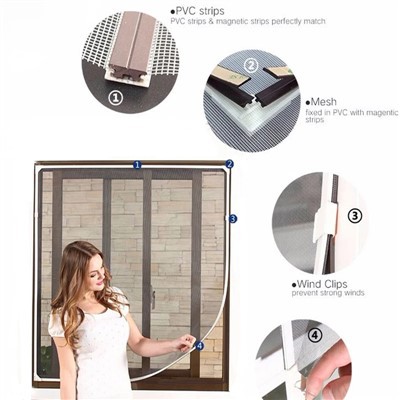
As a supplier of adhesive window screens, I've encountered numerous customers who face the challenge of removing stubborn residue from these screens. Adhesive window screens, such as the Adhesive Fly Screen and Self Adhesive Window Screen, are popular for their easy installation and ability to keep insects out. However, over time, they can leave behind a sticky mess when it's time to replace or remove them. In this blog post, I'll share some effective methods to help you tackle this issue.
Understanding the Residue
Before diving into the removal methods, it's essential to understand what causes the stubborn residue. The adhesive used in window screens is designed to provide a strong bond, which is great for keeping the screen in place but can be a headache when you want to remove it. Factors like exposure to sunlight, heat, and dust can make the adhesive break down and become stickier, leaving behind a more challenging residue to clean.
Tools and Materials You'll Need
- Plastic scraper or credit card: These are gentle on the window surface and can help lift the residue.
- Cleaning solutions: Depending on the type of residue, you may need rubbing alcohol, vinegar, or a commercial adhesive remover.
- Microfiber cloths: Soft and absorbent, they're perfect for wiping away the residue and cleaning solutions.
- Warm, soapy water: A basic cleaning solution for general cleaning after removing the residue.
Method 1: Using Rubbing Alcohol
Rubbing alcohol is a versatile and effective solution for removing adhesive residue. Here's how to use it:
- Prepare the area: Make sure the window is clean and dry. Lay down a microfiber cloth to catch any drips.
- Apply the rubbing alcohol: Soak a clean microfiber cloth in rubbing alcohol. Gently dab the cloth on the residue, making sure not to saturate the window or the surrounding area.
- Let it sit: Allow the rubbing alcohol to penetrate the residue for a few minutes. This will help loosen the adhesive.
- Scrape the residue: Use a plastic scraper or credit card to gently scrape away the softened residue. Work slowly and carefully to avoid scratching the window.
- Wipe clean: Once the residue is removed, wipe the area with a clean, damp microfiber cloth to remove any remaining alcohol and residue.
Method 2: Using Vinegar
Vinegar is a natural and eco - friendly alternative to commercial cleaners. It's also effective in breaking down adhesive residue.
- Mix the solution: Combine equal parts of white vinegar and water in a spray bottle.
- Spray the residue: Generously spray the vinegar solution on the adhesive residue. Let it sit for 10 - 15 minutes to allow the vinegar to work its magic.
- Scrub the residue: Use a soft - bristled brush or a microfiber cloth to scrub the residue. The vinegar should start to dissolve the adhesive, making it easier to remove.
- Rinse and dry: After removing the residue, rinse the area with warm, soapy water. Dry the window with a clean microfiber cloth.
Method 3: Using a Commercial Adhesive Remover
If the residue is particularly stubborn, a commercial adhesive remover may be your best bet.
- Read the instructions: Before using any commercial product, carefully read the instructions on the label. Follow all safety precautions, such as wearing gloves and working in a well - ventilated area.
- Apply the remover: Apply the adhesive remover to the residue according to the product instructions. Some products may require you to spray it on, while others may need to be applied with a cloth.
- Let it work: Allow the remover to sit on the residue for the recommended time. This will vary depending on the product.
- Remove the residue: Use a plastic scraper or a cloth to remove the softened residue. Be careful not to spread the residue to other areas.
- Clean the area: After removing the residue, clean the window with warm, soapy water to remove any traces of the adhesive remover.
Method 4: Using Heat
Heat can also be used to soften the adhesive and make it easier to remove.
- Use a hairdryer: Set your hairdryer to a medium - high heat setting. Hold the hairdryer about 6 - 8 inches away from the residue and move it back and forth evenly.
- Test the residue: After a few minutes of heating, use your finger to test if the residue has softened. If it has, you can start to peel it off gently with your fingers or a plastic scraper.
- Clean up: Once the residue is removed, clean the window with warm, soapy water to remove any remaining adhesive.
Preventing Future Residue
To minimize the amount of residue left behind in the future, here are some tips:
- Proper installation: Follow the installation instructions carefully to ensure a clean and even application of the adhesive window screen.
- Regular cleaning: Clean the window screen regularly to prevent dirt and dust from accumulating on the adhesive.
- Gentle removal: When it's time to remove the screen, do it slowly and carefully. Pull the screen off at a 45 - degree angle to minimize the amount of adhesive left behind.
Conclusion
Removing stubborn residue from an adhesive window screen doesn't have to be a daunting task. With the right tools and methods, you can easily clean your windows and restore them to their original condition. Whether you choose to use rubbing alcohol, vinegar, a commercial adhesive remover, or heat, always test the method on a small, inconspicuous area first to ensure it doesn't damage the window.


As a supplier of high - quality Adhesive Fly Screen and Self Adhesive Window Screen, we're committed to providing our customers with the best products and solutions. If you have any questions about our products or need further advice on removing adhesive residue, feel free to contact us. We're here to help you make the most of your adhesive window screens. Whether you're a homeowner looking to keep insects out or a business owner in need of a reliable window screening solution, we have the products and expertise to meet your needs. Reach out to us to start a procurement discussion and find the perfect adhesive window screen for your requirements.
References
- "Home Cleaning Hacks: Removing Adhesive Residue." Real Simple Magazine.
- "DIY Cleaning Solutions for Stubborn Stains." Good Housekeeping.