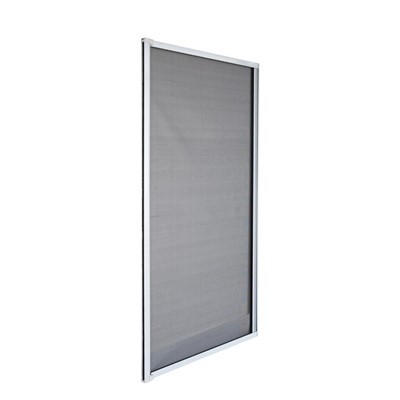
Hey there! As a supplier of Screen Door with Pet Door, I've had my fair share of customers asking about how to seal the edges of these doors to prevent drafts. It's a common issue, especially in areas with extreme weather conditions. A drafty screen door can make your home less energy - efficient and less comfortable. So, let's dive into some practical ways to seal those edges!
Why Sealing the Edges Matters
First off, why is it so important to seal the edges of a screen door with a pet door? Well, drafts can let in cold air during the winter and hot air during the summer. This means your heating and cooling systems have to work harder, which can lead to higher energy bills. Plus, it can make your living space less cozy. And if you have a pet door, there are even more potential gaps for air to sneak through.
Materials You'll Need
Before we start sealing, let's talk about the materials you'll need. You don't need a whole bunch of fancy stuff. Here's a basic list:
- Weatherstripping: There are different types available, like foam, vinyl, and rubber. Foam weatherstripping is easy to install and is a good option for a budget - friendly solution. Vinyl and rubber are more durable and can last longer.
- Door sweeps: These are great for sealing the bottom of the door. They come in different styles, such as brush sweeps and rubber sweeps.
- Caulk: You can use caulk to seal any small gaps or cracks around the edges of the door frame. Make sure to choose a caulk that's suitable for outdoor use.
Step - by - Step Guide to Sealing the Edges
Step 1: Clean the Edges
Before you start applying any weatherstripping or caulk, you need to clean the edges of the door and the frame. Use a mild detergent and a cloth to wipe away any dirt, dust, or grease. This will ensure that the weatherstripping and caulk adhere properly.
Step 2: Measure and Cut the Weatherstripping
Measure the length of the edges where you want to apply the weatherstripping. Cut the weatherstripping to the appropriate length using a pair of scissors or a utility knife. Make sure to cut it straight for a neat installation.
Step 3: Apply the Weatherstripping
Start by peeling the backing off the weatherstripping (if it has one) and press it firmly onto the edge of the door or the frame. Make sure it's aligned properly and there are no gaps or wrinkles. For the sides of the door, apply the weatherstripping along the vertical edges. For the top, apply it across the top edge.
Step 4: Install the Door Sweep
If you're using a door sweep, measure the width of the bottom of the door. Cut the door sweep to the correct length and attach it to the bottom of the door using screws or adhesive, depending on the type of sweep you have. Make sure it touches the floor when the door is closed to create a good seal.
Step 5: Seal Small Gaps with Caulk
Use a caulk gun to apply caulk to any small gaps or cracks around the edges of the door frame. Smooth the caulk with a caulk smoother or your finger to create a neat finish. Let the caulk dry according to the manufacturer's instructions.
Special Considerations for Pet Doors
If your screen door has a pet door, there are a few extra things to keep in mind. The pet door itself can be a source of drafts, especially if it's not properly installed or sealed.
- Check the fit: Make sure the pet door fits snugly in the opening of the screen door. If there are any gaps around the pet door, you can use weatherstripping or caulk to seal them.
- Inspect the flap: The flap on the pet door is another area where air can leak. Some pet doors come with insulated flaps, which can help reduce drafts. If your pet door flap isn't insulated, you might consider replacing it with an insulated one.
Other Tips for Draft - Proofing
- Use draft stoppers: You can place draft stoppers at the base of the door to block any air that might be coming in from the bottom. You can buy draft stoppers at a home improvement store or make your own using fabric and rice or sand.
- Check the screen: A damaged screen can also let in drafts. Make sure the screen is in good condition and there are no holes or tears. If you need a new screen, you might want to check out our Mosquito Window Screen. It's a great option for keeping bugs out while still allowing fresh air in.
- Consider adjustable flyscreens: Adjustable Flyscreens can be a great addition to your screen door. They allow you to adjust the amount of ventilation while still keeping drafts at bay.
Conclusion
Sealing the edges of a screen door with a pet door to prevent drafts is a relatively simple DIY project that can make a big difference in the comfort and energy efficiency of your home. By following these steps and using the right materials, you can keep the drafts out and enjoy a more comfortable living space.


If you're in the market for a new Screen Door with Pet Door or need any advice on draft - proofing, feel free to reach out. We're here to help you find the best solutions for your home. Whether you're a homeowner looking to upgrade your door or a contractor working on a project, we've got you covered. Contact us today to start the conversation about your needs!
References
- Home Depot. "Weatherstripping Buying Guide."
- Lowe's. "How to Install Weatherstripping on a Door."