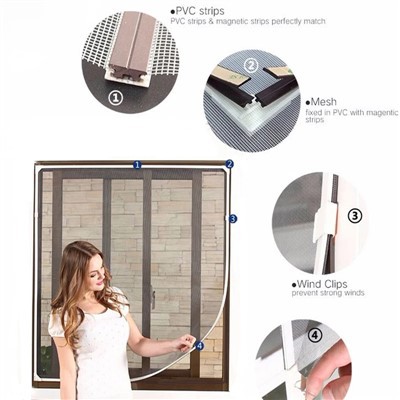
Hey there! As a supplier of fixed frame screens, I've heard a lot of concerns from customers about reflections on these screens. Reflections can be a real pain, especially when you're trying to enjoy a movie or use your screen for other purposes. In this blog, I'll share some tips on how to reduce reflections on a fixed frame screen.
Understanding the Problem
First things first, let's understand why reflections happen. When light hits a screen, some of it bounces off the surface. This bouncing light is what we see as reflections. The amount of reflection depends on several factors, such as the type of screen material, the angle of the light source, and the intensity of the light.
Choose the Right Screen Material
One of the most important factors in reducing reflections is the screen material. Different materials have different levels of reflectivity. For example, a matte screen material tends to reflect less light compared to a glossy one.
Matte screens have a rough surface that scatters light in different directions. This means that less light is reflected directly back to your eyes, reducing the appearance of reflections. On the other hand, glossy screens have a smooth surface that reflects light more uniformly, which can result in more noticeable reflections.
When choosing a screen material, look for ones that are specifically designed to reduce reflections. Some manufacturers offer anti - glare or low - reflectivity screen materials. These materials are treated to minimize the amount of light that bounces off the surface.
Control the Lighting
Another key factor in reducing reflections is controlling the lighting in the room. The position and intensity of light sources can have a big impact on how much reflection you see on your screen.
- Avoid Direct Light: Try to avoid having direct light sources shining on the screen. This includes windows, lamps, or overhead lights. If possible, use curtains or blinds to block out sunlight during the day. For artificial lighting, position lamps in a way that they don't shine directly on the screen.
- Use Indirect Lighting: Indirect lighting is a great way to illuminate the room without causing reflections on the screen. You can use wall - washers, cove lighting, or floor lamps with shades that direct the light towards the ceiling or walls. This diffuses the light and reduces the chances of it hitting the screen directly.
- Dimmer Switches: Install dimmer switches for your lights. This allows you to adjust the brightness of the lighting according to your needs. When you're using the screen, you can dim the lights to reduce the amount of light in the room and minimize reflections.
Adjust the Screen Angle
The angle at which the screen is installed can also affect the amount of reflection. If the screen is installed at an angle that is perpendicular to a light source, it is more likely to reflect light directly back to your eyes.


- Tilt the Screen: Try tilting the screen slightly upwards or downwards. This can change the angle at which light hits the screen and reduce the amount of reflection. However, be careful not to tilt it too much, as it may affect the viewing experience.
- Position the Screen Correctly: Make sure the screen is positioned in a way that it is not facing a strong light source. For example, if you have a window on one side of the room, don't place the screen directly opposite it.
Use Anti - Reflection Films
Anti - reflection films are another option to reduce reflections on a fixed frame screen. These films are applied to the surface of the screen and work by reducing the amount of light that is reflected.
- How They Work: Anti - reflection films are designed with multiple layers that interfere with the reflection of light. When light hits the film, some of it is absorbed, and the rest is refracted in different directions, reducing the overall reflection.
- Installation: Applying an anti - reflection film is relatively easy. You can purchase pre - cut films that are designed to fit your screen size. Just make sure to clean the screen surface thoroughly before applying the film to ensure a good adhesion.
Consider the Surroundings
The colors and materials of the surrounding walls and furniture can also contribute to reflections on the screen.
- Wall Colors: Choose dark - colored walls for the room where the screen is installed. Dark colors absorb more light compared to light colors, which means less light will be reflected back onto the screen.
- Furniture and Decor: Avoid using shiny or reflective furniture near the screen. Instead, opt for furniture with a matte finish. You can also use fabric wall hangings or curtains to absorb light and reduce reflections.
Our Product Range
As a fixed frame screen supplier, we offer a wide range of products that can help you with your screen needs. We have Mosquito Window Screen, which not only provides protection against mosquitoes but also comes in different materials that can be selected for low - reflection purposes. Our Framed Fly Screens for Windows are designed with high - quality frames and screen materials to ensure durability and reduced reflections. And if you're looking for something more flexible, our Adjustable Flyscreens can be adjusted according to your specific requirements.
Conclusion
Reducing reflections on a fixed frame screen is all about a combination of choosing the right screen material, controlling the lighting, adjusting the screen angle, using anti - reflection films, and considering the surroundings. By following these tips, you can significantly reduce the amount of reflection on your screen and enjoy a better viewing experience.
If you're interested in purchasing our fixed frame screens or have any questions about reducing reflections, feel free to reach out to us. We're here to help you find the best solution for your needs. Let's start a conversation about how we can make your screen experience even better!
References
- "Lighting Design for Home Theaters." Home Theater Magazine.
- "Screen Materials and Their Properties." Display Technology Journal.