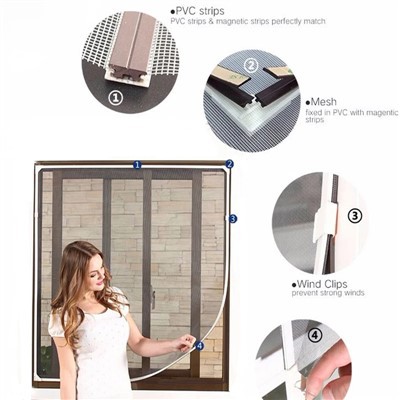
Hey there! As a supplier of Fly Screen Mesh, I often get asked about the differences between fiberglass and aluminum fly screen mesh. So, I thought I'd put together this blog post to break it all down for you.
Appearance and Aesthetics
Let's start with how they look. Fiberglass fly screen mesh has a soft, almost translucent appearance. It kind of blends in with the background, so it doesn't stand out too much when you look at your windows or doors. This makes it a great choice if you want a more subtle look for your home. You won't even really notice it's there most of the time, but it'll still do its job of keeping those pesky bugs out.
On the other hand, aluminum fly screen mesh has a more metallic and shiny look. It gives a bit of a modern and industrial vibe. Some people really like this look as it can add a bit of style to their windows. But if you're going for a more natural or understated look, the aluminum might be a bit too flashy.
Durability
When it comes to durability, both have their pros and cons. Fiberglass mesh is pretty flexible. It can withstand a fair amount of bending and stretching without breaking. This means that if you accidentally bump into it or something brushes against it, it's less likely to tear. However, over time, exposure to the sun's UV rays can cause it to become brittle. This is especially true in areas with a lot of sunlight. So, in the long run, you might need to replace it more often if it's constantly in direct sunlight.
Aluminum mesh, on the other hand, is much more rigid and strong. It can handle a lot more abuse. For example, if you have kids or pets running around, there's a lower chance that they'll be able to damage the aluminum screen. It's also resistant to rust, which is a big plus if you live in a humid or coastal area. But, being rigid, it can dent if it gets hit hard. And once it dents, it can be a bit of a pain to fix.
Functionality
In terms of functionality, both types of mesh do a great job of keeping bugs out. Fiberglass mesh has a fine weave that can block even the smallest insects. It also allows for good air circulation, so you can still enjoy a nice breeze through your windows. The only downside is that because it's so fine, it can sometimes collect dust and debris more easily. This means you might have to clean it more often to keep it looking and working its best.
Aluminum mesh also has a good insect - blocking ability. Its openings are small enough to keep most bugs at bay. And because it's more rigid, it doesn't sag as easily as fiberglass. This means it maintains its shape better over time, ensuring that there are no gaps where bugs could sneak in. However, the metallic surface can heat up in the sun, which might make the area near the window a bit warmer.
Cost
Cost is always an important factor when making a decision. Fiberglass fly screen mesh is generally more affordable. It's a great option if you're on a budget or if you're looking to screen a large area. You can get a decent quality fiberglass mesh at a relatively low price.
Aluminum mesh, on the other hand, is more expensive. The cost of the raw material and the manufacturing process make it pricier. But if you're willing to spend a bit more for the added durability and style, it might be worth the investment.
Installation
Installing fiberglass mesh is usually a breeze. It's lightweight, so it's easy to handle. You can cut it to size with a pair of scissors, which makes the installation process quick and simple. Even if you're not very handy, you should be able to install it yourself without too much trouble.


Aluminum mesh is a bit more difficult to install. It's heavier and requires special tools to cut, like tin snips. You also need to be more careful when installing it to make sure it's properly aligned and doesn't get dented. If you're not confident in your DIY skills, you might want to hire a professional to install it for you.
Where to Use Them
Fiberglass mesh is a great choice for residential windows and doors. It's perfect for areas where you want a more natural look and don't need the extra strength of aluminum. You can also use it for screened porches or patio enclosures. Check out our Fly Screen Mesh for a variety of options.
Aluminum mesh is better suited for high - traffic areas or places where there's a higher risk of damage. For example, it's a good choice for commercial buildings or homes with a lot of activity. You might also want to consider it for windows that face busy streets or areas where there's a lot of debris. We also offer Framed Fly Screens for Windows and Adjustable Flyscreens that come with aluminum mesh options.
Conclusion
So, there you have it! The main differences between fiberglass and aluminum fly screen mesh. Each has its own unique features, and the choice really depends on your specific needs and preferences. If you're looking for an affordable, easy - to - install option with a subtle look, fiberglass might be the way to go. But if you need something more durable and stylish, and you're willing to spend a bit more, aluminum is a great choice.
If you're interested in purchasing fly screen mesh, whether it's fiberglass or aluminum, feel free to reach out. We're here to help you find the perfect solution for your home or business. Just let us know your requirements, and we'll work with you to get the right product at the right price.
References
- "Home Improvement Handbook" - A general guide on home improvement products including fly screen mesh.
- "Insect Screening Technology" - A technical publication on the different types of insect screening materials.