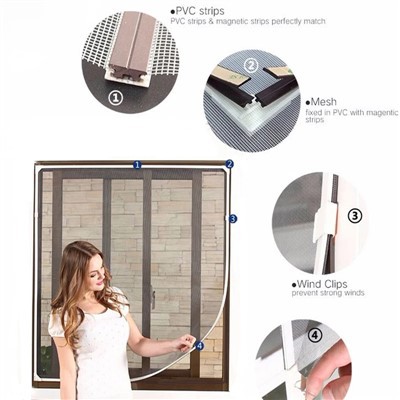
Hey there! As a supplier of fly screen mesh, I often get asked about the light transmittance of fly screen mesh. So, I thought I'd dive into this topic and share some insights with you all.
First off, let's talk about what light transmittance actually means. Light transmittance is the measure of how much light can pass through a material. In the case of fly screen mesh, it's all about how much sunlight or artificial light can make its way through the tiny holes in the mesh and into your space.
Now, the light transmittance of fly screen mesh can vary quite a bit depending on several factors. One of the most important factors is the mesh size. Mesh size refers to the number of openings per inch in the screen. A finer mesh, with more openings per inch, will generally have a lower light transmittance because there's less space for light to pass through. On the other hand, a coarser mesh, with fewer openings per inch, will allow more light to come through.


For example, a 18x16 mesh (which means there are 18 openings per inch in one direction and 16 in the other) is a common choice for fly screens. It offers a good balance between keeping insects out and allowing a decent amount of light in. This type of mesh usually has a light transmittance of around 70 - 80%. That means about 70 - 80% of the light that hits the screen will pass through it.
If you go for a finer mesh, like a 20x20 mesh, the light transmittance might drop to around 60 - 70%. This is because the smaller holes restrict the passage of light more. However, the benefit of a finer mesh is that it can keep out even the tiniest insects, like gnats and no - see - ums.
Another factor that affects light transmittance is the color of the fly screen mesh. Darker colors tend to absorb more light, which means less light will be transmitted through the screen. For instance, a black fly screen mesh will have a lower light transmittance compared to a white or light - colored one. So, if you're really concerned about maximizing the amount of light in your space, choosing a light - colored mesh is a good idea.
The material of the fly screen mesh also plays a role. Common materials include fiberglass, aluminum, and stainless steel. Fiberglass mesh is lightweight and flexible, and it usually has a relatively high light transmittance. Aluminum and stainless steel meshes are more durable but might have slightly lower light transmittance due to their denser structure.
Now, you might be wondering why light transmittance matters when it comes to fly screen mesh. Well, it has a big impact on the overall feel and functionality of your space. If you have a room that doesn't get a lot of natural light to begin with, a fly screen with low light transmittance can make the room feel dark and gloomy. On the other hand, a screen with high light transmittance will help keep the room bright and airy, making it more comfortable to be in.
Let's say you're looking to install fly screens on your windows or doors. You can check out our Framed Fly Screens for Windows. These are pre - framed screens that are easy to install and come in a variety of mesh sizes and colors, so you can choose the one that best suits your light transmittance needs.
If you need something more flexible, our Adjustable Flyscreens are a great option. You can adjust them to fit different window or door sizes, and they also offer good light transmittance.
And for those who want to screen both their windows and doors, our Fly Screen Windows and Doors are the way to go. They provide a comprehensive solution to keep insects out while still allowing plenty of light in.
When you're choosing a fly screen mesh based on light transmittance, it's important to consider your specific requirements. If you live in an area with a lot of insects and don't mind sacrificing a bit of light, a finer mesh might be the right choice. But if you want to maximize the light in your space and don't have a major insect problem, a coarser mesh could be better.
In addition to light transmittance, you also need to think about other factors like durability, visibility, and ease of maintenance. A good fly screen should not only let in light but also last for a long time and be easy to clean.
If you're interested in learning more about our fly screen mesh products or have any questions about light transmittance, feel free to reach out. We're here to help you make the best choice for your home or business. Whether you're a homeowner looking to upgrade your windows or a contractor working on a big project, we've got the right fly screen solutions for you.
Contact us to start a conversation about your fly screen needs. We can provide you with detailed information, samples, and quotes. Let's work together to find the perfect fly screen mesh that meets your light transmittance requirements and keeps your space insect - free.
References
- "Insect Screens: A Guide to Selection and Installation" - A handbook on fly screens and related products.
- Industry research on the properties of different fly screen mesh materials.