Sound insulation is a crucial factor in many living and working environments, and when it comes to magnetic screens, understanding their sound - insulating capabilities can be quite beneficial. As a supplier of magnetic screens, I am often asked about this particular aspect. In this blog, we will delve into the sound insulation properties of magnetic screens, exploring what they are, how they work, and their effectiveness in different scenarios.
What is Sound Insulation?
Before we discuss the sound insulation of magnetic screens, it's important to understand what sound insulation means. Sound insulation refers to the ability of a material or structure to reduce the transmission of sound from one area to another. It is measured in decibels (dB), and a higher dB rating indicates better sound - insulating performance. The process of sound insulation involves absorbing, reflecting, or dissipating sound energy as it tries to pass through a barrier.
How Magnetic Screens Work
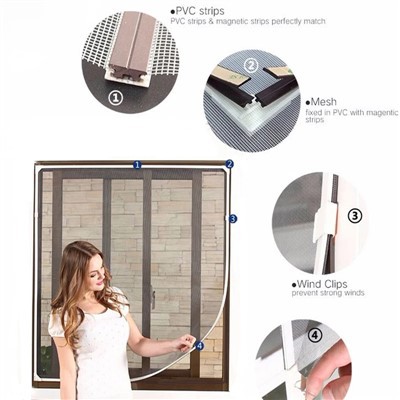
Magnetic screens, such as the Magnetic Net for Door, Magnetic Mesh Screen Door, and Magnetic Bug Screen, are typically made of a mesh material with magnetic strips along the edges. These screens are designed to be installed on doors or windows to keep insects out while allowing fresh air to circulate.
The mesh material of magnetic screens plays a significant role in their sound - insulating properties. The small holes in the mesh can act as barriers to sound waves. When sound waves hit the mesh, some of the energy is absorbed by the material, and some is reflected back. The magnetic strips also contribute to the overall structure of the screen, helping to create a more solid barrier against sound.


Sound Insulation Mechanisms of Magnetic Screens
- Absorption: The mesh material of magnetic screens can absorb a certain amount of sound energy. The fibers in the mesh vibrate when they come into contact with sound waves, converting the sound energy into heat energy. This absorption process reduces the intensity of the sound that passes through the screen.
- Reflection: The surface of the mesh and the magnetic strips can reflect sound waves. When sound waves hit the screen, a portion of them bounces back, preventing them from passing through to the other side. The more reflective the surface, the more effective the screen is at reducing sound transmission.
- Diffraction: The small holes in the mesh cause sound waves to diffract or bend around the edges of the holes. This diffraction spreads out the sound waves, reducing their intensity and making them less likely to travel through the screen in a straight line.
Factors Affecting the Sound Insulation of Magnetic Screens
- Mesh Density: The density of the mesh is an important factor in determining the sound - insulating performance of a magnetic screen. A denser mesh with smaller holes will generally provide better sound insulation than a less dense mesh. This is because a denser mesh has more surface area to absorb and reflect sound waves.
- Material Quality: The quality of the mesh material and the magnetic strips also affects sound insulation. High - quality materials are often more effective at absorbing and reflecting sound. For example, a mesh made of thick, durable fibers will generally perform better than a thin, flimsy one.
- Installation: Proper installation is crucial for achieving good sound insulation with magnetic screens. If the screen is not installed tightly or if there are gaps around the edges, sound waves can easily leak through. Ensuring a snug fit and sealing any gaps can significantly improve the sound - insulating performance of the screen.
Effectiveness of Magnetic Screens in Different Scenarios
- Low - Frequency Sounds: Magnetic screens are generally less effective at insulating low - frequency sounds. Low - frequency sounds have longer wavelengths, which can easily pass through the small holes in the mesh. However, they can still provide some reduction in low - frequency noise, especially if the mesh is dense and the screen is well - installed.
- High - Frequency Sounds: High - frequency sounds have shorter wavelengths, making them more likely to be absorbed or reflected by the mesh. Magnetic screens can be quite effective at reducing high - frequency noise, such as the chirping of birds or the high - pitched hum of electronic devices.
- Outdoor to Indoor Noise: When it comes to reducing outdoor noise from entering a building, magnetic screens can provide a moderate level of sound insulation. They can help to reduce the noise from traffic, construction, and other outdoor activities. However, for more significant noise reduction, additional sound - insulating measures may be required.
Comparing Magnetic Screens with Other Sound - Insulating Materials
Compared to traditional sound - insulating materials such as double - glazed windows or acoustic panels, magnetic screens have some limitations. Double - glazed windows, for example, have a much higher sound - insulating rating due to the air gap between the two panes of glass. Acoustic panels are specifically designed to absorb sound and can provide excellent sound insulation.
However, magnetic screens have their own advantages. They are relatively inexpensive, easy to install, and can be removed or replaced easily. They also allow for natural ventilation, which is not possible with some other sound - insulating materials.
Real - World Applications of Magnetic Screens for Sound Insulation
- Residential Buildings: In residential buildings, magnetic screens can be installed on doors and windows to reduce the noise from the street or neighboring houses. They can provide a cost - effective solution for improving the acoustic comfort of a home, especially in areas with moderate noise levels.
- Commercial Buildings: In commercial buildings, such as offices or restaurants, magnetic screens can be used to reduce the noise from the outside while allowing fresh air to enter. This can create a more pleasant working or dining environment for employees and customers.
- Outdoor Areas: Magnetic screens can also be used in outdoor areas, such as patios or balconies, to reduce the noise from nearby roads or public areas. They can provide a more peaceful outdoor space for relaxation and entertainment.
Conclusion
In conclusion, magnetic screens do have some sound - insulating properties. Their mesh material and magnetic strips can absorb, reflect, and diffract sound waves, reducing the transmission of noise from one area to another. While they may not be as effective as some traditional sound - insulating materials, they offer a cost - effective and convenient solution for reducing noise in many scenarios.
If you are interested in purchasing magnetic screens for their sound - insulating benefits or for keeping insects out, I encourage you to contact us for more information. We offer a wide range of magnetic screens, including the Magnetic Net for Door, Magnetic Mesh Screen Door, and Magnetic Bug Screen. Our team of experts can help you choose the right screen for your specific needs and provide guidance on installation.
References
- "Sound Insulation Principles" by Acoustical Society of America
- "Materials for Sound Absorption and Insulation" by Building Science Corporation
- "Magnetic Screen Technology and Applications" by Screen Manufacturers Association