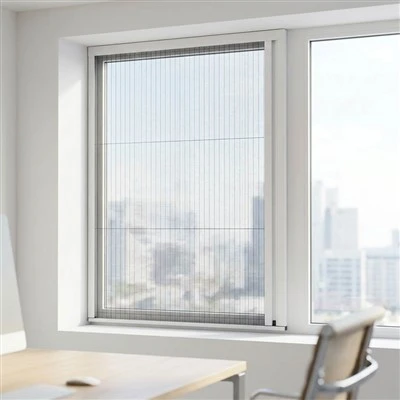
DIY Magnetic Screen Kits: Polyester vs. Fiberglass Mesh Tear Strength Comparison
If you're sourcing DIY magnetic screen kits for resale or bulk project supply, mesh tear strength is one of the first things you need to check. Polyester and fiberglass are the two most common options on the market, and while both work well for insect screen setups, they perform very differently when it comes to tearing pressure, light penetration, and fire safety.
This side-by-side comparison breaks down real-use performance between polyester and fiberglass mesh, plain and simple. It's made to help B2B buyers pick the right material for residential DIY kits and commercial bulk orders without overcomplicating the technical details.
1. Burst Strength (kPa) Test Data Comparison
Burst strength tells you how much internal pressure the mesh can take before stretching or splitting. This is a practical benchmark for long-term everyday use, especially in busy households and high-foot-traffic commercial spaces.
Burst Strength Data Comparison
表格
| Mesh Type | Burst Strength (kPa) | Test Method | Application |
|---|---|---|---|
| Polyester Mesh | 1,200–1,500 kPa | ASTM D3786 | Residential use |
| Fiberglass Mesh | 1,800–2,200 kPa | ASTM D3786 | Commercial use |
You can clearly see fiberglass mesh holds up far better under heavy pressure. It stands up to rough handling, repeated touching, and stronger wind exposure, perfect for commercial buildings and heavy-duty installations.
Polyester mesh is totally capable for regular residential DIY use, but with constant daily wear, it tends to weaken sooner and may develop small splits over time.
2. Light Transmittance and Optical Clarity Metrics
Homeowners care a lot about natural light and clear outside view through magnetic screens. How much light passes through and how sharp the view stays makes a big difference in customer satisfaction.
Light Transmittance Data
表格
| Mesh Type | Light Transmittance (%) | Optical Clarity | Application |
|---|---|---|---|
| Polyester Mesh | 85–90% | Moderate clarity | Residential/DIY |
| Fiberglass Mesh | 75–80% | High clarity | Commercial/Heavy-duty |
Polyester mesh lets in more natural sunlight, which makes it a top pick for residential DIY magnetic screen kits. It feels brighter inside the room and keeps the space open and comfortable.
Fiberglass mesh blocks a little more light, but it delivers much sharper optical clarity. The view outside stays clean and undistorted, which is ideal for offices, storefronts, and commercial properties where clear visibility matters more than maximum light intake.
3. Flame Retardant Additives (B1 Level Standards)
Fire safety is never an afterthought, especially for screens installed in apartments, public buildings, and commercial premises. The widely recognized B1 rating confirms the material resists quick flame spread and meets basic safety codes.
Flame Retardancy Test Results
表格
| Mesh Type | Flame Retardant Rating | Flame Spread Index | Application |
|---|---|---|---|
| Polyester Mesh | B1 (Class 1) | ≤ 50 | Suitable for public buildings |
| Fiberglass Mesh | B1 (Class 1) | ≤ 50 | Suitable for industrial use |
Both polyester and fiberglass mesh easily reach B1 grade under standard testing. Neither spreads flame rapidly, and both satisfy regular fire safety requirements for public venues, commercial complexes, and industrial buildings. For buyers needing compliant, sell-safe kits, either material works perfectly.
4. Private Label (OEM) Packaging Requirements
Bulk buyers and brand distributors always look for customizable packaging to build their own retail line. Private label packaging boosts shelf appeal, keeps consistent branding, and fits standard container loading for cost-effective shipping.
OEM Packaging Specifications
表格
| Packaging Type | Dimensions | Quantity per Box | MOQ for Custom Branding |
|---|---|---|---|
| Retail Box (Standard) | 30 x 30 x 3 cm | 10–15 kits per box | 500–1,000 kits |
| Bulk Carton (No Branding) | 40 x 40 x 20 cm | 50–100 kits per carton | 1,000+ kits |
Custom branded labels can be produced once order volume hits 500 units and above. Custom-sized cartons are designed to reach over 90% container space utilization, which cuts down wasted space and lowers overall sea freight costs for full-container shipments.
Plain bulk cartons without printing work best for large wholesale orders where retail branding is not required, with a slightly higher minimum order quantity.
5. 3 B2B Sourcing FAQs
Q1: What is the ideal mesh material for commercial applications?A1: Fiberglass mesh is the better choice for commercial projects. Its higher burst strength and solid build hold up well in high-traffic, windy, and industrial settings without easy tearing or deformation.
Q2: How does light transmittance affect the choice of mesh material?A2: For standard residential DIY magnetic screen kits, polyester is preferred thanks to higher light transmittance and a brighter indoor feel. For commercial locations, fiberglass offers cleaner optical clarity, making outside views much sharper.
Q3: What is the flame retardancy standard required for commercial buildings?A3: Both polyester and fiberglass mesh comply with B1 flame retardant level. Either material meets routine fire safety rules for commercial buildings, public facilities, and multi-unit residential blocks.
►Request detailed product specifications, bulk pricing, and custom branding options for your project.