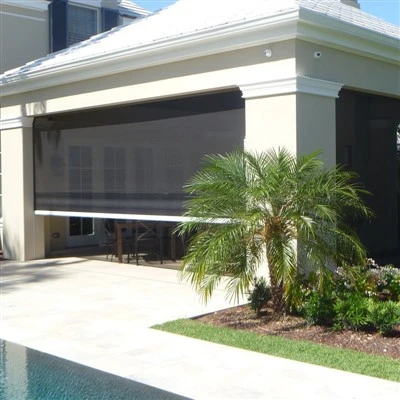
Insect screens installed on exposed coastal buildings face two different challenges: wind acting on the screen assembly and salt-laden moisture affecting its materials and hardware. Choosing a stronger mesh alone will not resolve both issues.
For apartment developments, hotels and other commercial projects, screen selection begins with the opening, how the screen will be used and the site's exposure. The frame, mesh retention and mounting details then need to be assessed as one system.
Which insect screen is best for a high-wind coastal area? For windows needing permanent insect protection, a fixed-frame screen can be a practical configuration to evaluate. Sliding, pleated and retractable systems may be better suited to openings requiring access or occasional screening. The final choice depends on the specified exposure, available assembly evidence and installation design. Ordinary insect screens are not substitutes for hurricane-impact protection.
Best Insect Screen Type by Opening and Exposure
A coastal hotel window that remains screened throughout the day has different operating needs from a terrace door opened repeatedly by guests. The following comparison provides a starting point for project selection.
| Opening or Use Case | Screen Type to Evaluate | Main Decision |
|---|---|---|
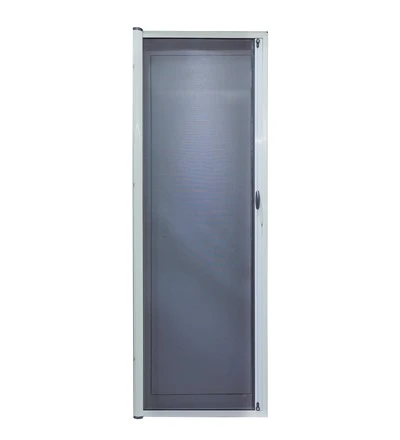
| Permanently screened apartment or hotel window | Fixed-frame screen | Confirm frame retention, mounting details and access for cleaning or replacement |
| Door requiring frequent passage | Sliding screen | Check track engagement, panel retention and hardware exposure |
| Door where a folding screen is preferred | Pleated screen | Review guide engagement, moving-bar alignment and operating restrictions |
| Opening where screening is needed intermittently | Retractable screen | Confirm permitted operating conditions and whether the mesh must be retracted during stronger winds |
| Highly exposed opening with defined wind performance requirements | Documented, project- suitable assembly | Prioritize verified performance for the proposed size and mounting arrangement over screen type alone |
Fixed-frame systems have fewer moving components to maintain, which can simplify some installations. However, a fixed frame is not inherently wind-rated. The actual assembly and its connections determine suitability for an exposed opening.
For retractable or pleated systems, distinguish between performance while the screen is deployed and conditions under which it should be stored or retracted. Operating instructions need to reflect the selected model.
How Wind and Coastal Exposure Affect Screen Selection
Two openings on the same building may experience different conditions. Orientation, elevation, nearby structures and local wind patterns all influence the exposure of an installed screen.
Wind Pressure and Suction
Wind may push against a screen or pull outward through suction. Both actions place demands on the mesh, its edge retention, the frame and its attachment points.
A supplier's headline wind-speed statement is less useful than a report identifying the tested assembly, dimensions, applied pressure and acceptance criteria.
Salt Deposits and Moisture
Coastal salt deposits can increase corrosion risk at exposed metal surfaces, fasteners and joints where moisture collects. The severity depends on the local environment and maintenance conditions.
Drainage, finish continuity and access for cleaning deserve attention, particularly around tracks and concealed hardware.
How Wind Loads Reach the Frame and Fixings
Wind acts across the screen surface. The mesh transfers force to its retaining edges, which connect to the frame. The frame then relies on its fixing arrangement and supporting structure.
For procurement, this means checking the retention detail and installation arrangement, not only the mesh material or frame profile.

What to Verify
- Mesh retention: The spline, clamping system or other edge detail used in the proposed screen design.
- Frame connections: Corner joints, profile engagement and the effect of deformation on screen retention.
- Mounting: Anchor arrangement, substrate suitability and installation details corresponding to the approved design.
If wind performance is specified, request evidence covering the relevant screen configuration. A test for one size or fixing arrangement may not establish performance for every variation.
Mesh, Frame and Hardware Choices for Coastal Projects
Material selection should address both environmental durability and compatibility with the chosen screen system. The following component checks are more useful than a single "coastal-grade" label.
| Component | Selection Consideration | Detail to Inspect |
|---|---|---|
| Mesh | Coated fiberglass, polymer or metal mesh according to the required screen function | Edge condition, coating integrity, retention method and compatibility with the frame |
| Frame | Profile design and finish suited to the intended exposure | Corners, cut edges, coating continuity and drainage points |
| Fasteners | Material selection and compatibility with adjoining metals | Corrosion risk, isolation details and accessible fixing locations |
| Tracks and moving parts | Hardware appropriate to the screen's operating pattern | Salt accumulation, water drainage, guide engagement and maintenance access |
Stainless steel mesh may be considered for some coastal applications, but its alloy grade and surrounding components still require attention. For a more detailed comparison, read 316 Stainless Steel Mesh for Coastal Environments .
Where dissimilar metals are used together, the connection design may need measures to limit galvanic corrosion. Water traps and inaccessible joints can create maintenance problems regardless of the visible frame finish.
Evidence to Request Before Ordering
For a coastal building project, the technical submission should make it possible to compare the proposed screen with the project requirement. The following items are particularly useful when evaluating suppliers.
Procurement Review
- Screen identification: Model, configuration, dimensions and approved drawings.
- Wind performance: Applicable test method, tested size, pressure conditions, mounting arrangement and acceptance criteria, where required.
- Operating limits: Instructions for deploying, retracting or securing the screen under exposed conditions.
- Materials and finishes: Mesh specification, frame finish, fastener materials and relevant corrosion evidence.
- Installation: Fixing details, substrate requirements and responsibilities for site verification.
- Repeat supply: Approved sample reference, component identification and procedures for reviewing substitutions.
Corrosion reports should be read in context. For example, a salt spray result describes performance under defined laboratory conditions; it is not a direct prediction of years in service.
If a project requires a defined wind pressure or another verified performance level, the responsible design team must determine the applicable criteria. The supplier's documents can then be assessed against those requirements.
Important distinction: Wind resistance and windborne-debris impact resistance are separate performance questions. An ordinary insect screen should not be specified as hurricane protection unless the proposed system has the required testing and approval for that use.
Installation Acceptance and Coastal Maintenance
A suitable product still requires correct installation. Site acceptance should focus on the details that affect retention, operation and long-term access.
- Confirm the opening. Compare the installed dimensions and supporting substrate with the approved screen drawings.
- Inspect engagement. Check that fixed panels, sliding tracks and guide components are seated as intended.
- Review fixings. Confirm the installation follows the approved anchor and connection arrangement.
- Check drainage and access. Identify places where salt deposits or water may accumulate, and ensure maintenance remains practical.
In service, clean accumulated salt using methods compatible with the screen materials and finishes. Inspect exposed fasteners, mesh edges and moving components at intervals appropriate to the site.
Following a significant wind event, check for loose fixings, frame distortion or damaged retention before returning the screen to normal operation.
Reviewing FlyZZZ Screen Options
FlyZZZ provides insect screen configurations for window and door applications. For windows requiring continuous screening, the Fixed Frame Screen category is a useful starting point.
For door openings where a folding system is preferred, buyers can review the Pleated Mosquito Net Door .
These product references are starting points for configuration discussions, not statements that a particular FlyZZZ model has a certified wind-load or marine-exposure rating.
Frequently Asked Questions
Are fixed-frame insect screens the best option for high-wind windows?
They can be a practical choice where permanent screening is required and moving components are unnecessary. The screen's suitability for high-wind exposure must still be established for its frame, retention and mounting configuration.
Is stainless steel mesh necessary for every coastal screen?
Not necessarily. Material selection depends on the screen function, local exposure, maintenance conditions and assembly compatibility. Frame finishes and fasteners can be just as important as the mesh material.
Can a retractable insect screen remain deployed during strong winds?
Follow the operating limits for the specific screen model. Some configurations may require retraction when conditions exceed their intended operating range. A general product category does not establish a universal safe wind speed.
Plan Your Coastal Insect Screen Project with FlyZZZ
Send your opening schedule, proposed screen type, project location and estimated quantity. Include any wind-performance, material or installation requirements from the project specification.
FlyZZZ can review the requested configuration and discuss product options and available supporting information.
Send Your Project Enquiry