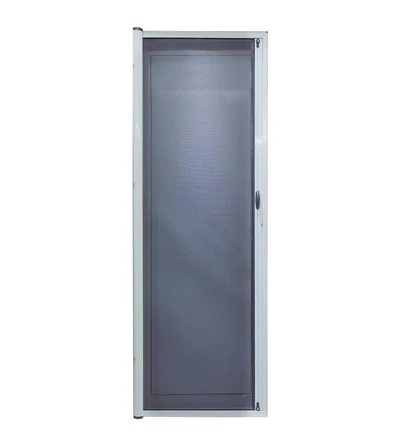
To determine if a self-adhesive window screen needs replacement, consider the following:
Weakened or ineffective adhesion
Observe adhesion: Gently pull on the edge of the screen. If the screen easily peels off or moves from the window frame, the adhesion has weakened.
Check the adhesive surface: Inspect the adhesive surface where the screen adheres to the window frame. Visible dust, dirt, or glue residue may also affect adhesion.
Environmental factors: Prolonged exposure to high temperatures, humidity, or direct sunlight may weaken the adhesion more quickly.
Recommendation: If the adhesion weakens to the point where it affects the normal use of the screen (e.g., frequent detachment or inability to adhere tightly to the window frame), consider replacing it.
Damaged or deformed screen
Inspect the screen: Carefully inspect the screen for signs of damage, tears, or deformation.
Evaluate functionality: If the screen is severely damaged and no longer effectively blocks insects and other insects from entering the room, or if it is deformed to the point where it affects the window's normal opening and closing, it should be replaced. Recommendation: Damaged or deformed screens should be replaced promptly to ensure their functionality and safety.
Increasing Cleaning Difficulty
Observe Cleaning Results: If you find your screens becoming increasingly difficult to clean, or if stains and dust remain noticeable after cleaning, this may be due to aging or weakened adhesion, allowing stains to penetrate.
Assess Maintenance Costs: If cleaning your screens requires excessive time and effort, or requires specialized cleaning agents, replacing them may be more cost-effective.
Recommendation: If cleaning becomes difficult to the point where it impacts the aesthetics and user experience of your screens, consider replacing them with new self-adhesive screens.
Appearance and Aesthetic Changes
Observe Appearance: If your screens fade, yellow, or undergo other noticeable changes in appearance, they may affect the overall aesthetics of your home.
Assess Personal Preferences: If you develop new preferences or desires for the appearance or color of your screens, consider replacing them to meet your personal aesthetic standards.
Recommendation: While cosmetic changes aren't a direct reason to replace your screens, if they impact your living experience or mood, replacing them is a good option.