Are magnetic bug screens energy - efficient?
As a supplier of magnetic bug screens, I've often been asked about the energy - efficiency of these products. In this blog, I'll delve into the scientific aspects and practical implications of whether magnetic bug screens can contribute to energy savings.
How Magnetic Bug Screens Work
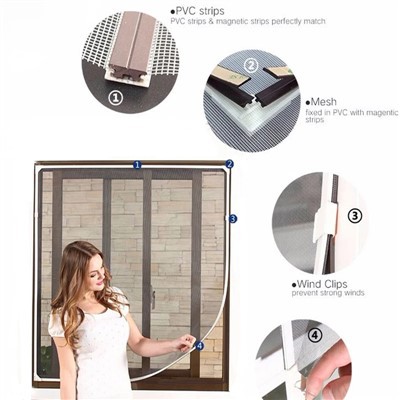
Magnetic bug screens, such as the Magnetic Bug Screen, are designed to keep insects out while allowing fresh air to circulate. They typically consist of a fine mesh attached to a frame with magnetic strips along the edges. When the door or window is opened, the magnetic strips separate easily, and when it closes, they snap back together, creating a tight seal.
The Magnetic Insect Screen Window and Magnetic Net for Door are two popular variations. The window screens can be installed on various types of windows, while the door nets are specifically designed for doorways.
Energy - Efficiency Mechanisms
Natural Ventilation
One of the primary ways magnetic bug screens contribute to energy efficiency is by promoting natural ventilation. In warm weather, instead of relying solely on air - conditioning systems, homeowners can open their doors and windows with magnetic bug screens installed. The screens prevent insects from entering while allowing a fresh breeze to flow through the house. This natural airflow can help cool the indoor environment, reducing the need for air - conditioning and thus saving energy.
According to a study by the American Society of Heating, Refrigerating and Air - Conditioning Engineers (ASHRAE), natural ventilation can significantly reduce the energy consumption of a building. When the outdoor temperature is within a comfortable range, opening windows with bug screens can maintain a pleasant indoor climate without the use of mechanical cooling systems.
Reducing Heat Gain
Magnetic bug screens can also help reduce heat gain in a building. The fine mesh of the screen acts as a barrier that blocks some of the solar radiation from entering the building directly. This is especially important in sunny climates where direct sunlight can heat up the interior of a building quickly, forcing the air - conditioning system to work harder.
A research paper published in the Journal of Building Physics found that window screens can reduce solar heat gain by up to 20%. By using magnetic bug screens, homeowners can keep their indoor spaces cooler without overburdening their cooling systems, leading to energy savings.
Factors Affecting Energy - Efficiency
While magnetic bug screens have the potential to be energy - efficient, several factors can affect their performance.
Screen Material and Mesh Size
The material and mesh size of the magnetic bug screen play a crucial role in its energy - efficiency. A screen with a finer mesh may block more insects but could also restrict airflow. On the other hand, a coarser mesh may allow better ventilation but may not be as effective at keeping out smaller insects.
High - quality materials, such as fiberglass or stainless steel, are often more durable and can provide better airflow compared to cheaper alternatives. When choosing a magnetic bug screen, it's important to find a balance between insect protection and ventilation to maximize energy savings.


Installation Quality
Proper installation is essential for the energy - efficiency of magnetic bug screens. If the screen is not installed correctly, there may be gaps around the edges, allowing insects to enter and reducing the effectiveness of natural ventilation. A poorly installed screen may also not provide a tight seal against solar radiation, leading to increased heat gain.
It's recommended to have magnetic bug screens installed by professionals or to follow the manufacturer's installation instructions carefully. This ensures that the screen functions as intended and contributes to energy savings.
Real - World Examples
Many homeowners have reported significant energy savings after installing magnetic bug screens. For example, a family in a suburban area installed Magnetic Net for Door on their front and back doors. During the summer months, they were able to open their doors frequently, enjoying the fresh air and reducing their air - conditioning usage. As a result, their monthly energy bills decreased by 15%.
In an apartment building, residents installed Magnetic Insect Screen Window on all their windows. The screens not only kept insects out but also reduced the heat gain in their apartments. This allowed them to rely less on their individual air - conditioning units, leading to overall energy savings for the building.
Conclusion
In conclusion, magnetic bug screens can be energy - efficient if used correctly. They promote natural ventilation, reduce heat gain, and can lead to significant energy savings. However, factors such as screen material, mesh size, and installation quality need to be considered to ensure optimal performance.
If you're interested in learning more about our magnetic bug screens or would like to discuss a potential purchase, please feel free to reach out. Our team of experts is ready to assist you in finding the right magnetic bug screen for your needs and to help you start saving on energy costs.
References
- American Society of Heating, Refrigerating and Air - Conditioning Engineers (ASHRAE). (Year). Natural Ventilation Guidelines for Buildings.
- Journal of Building Physics. (Year). "The Impact of Window Screens on Solar Heat Gain in Buildings."