Do adhesive window screens work in areas with a lot of debris?
As a supplier of adhesive window screens, I've received numerous inquiries from customers in areas prone to high debris. This common concern has led me to delve deep into understanding how well our Adhesive Fly Screen and Self Adhesive Window Screen perform under such challenging conditions.
Understanding the Nature of Debris
Debris can vary widely depending on the geographical location. In coastal areas, sand and salt particles are prevalent. In rural settings, it could be leaves, twigs, and pollen. Urban areas often deal with dust, soot, and small pieces of litter. Each type of debris presents unique challenges for window screens.
Sand and salt from coastal regions are abrasive. The fine grains of sand can easily get caught in the mesh of a window screen, potentially scratching and weakening the material over time. Salt, on the other hand, is corrosive. It can react with the metal components of the screen or break down the adhesive that holds it in place.
Leaves and twigs in rural areas are bulkier debris. They can clog the screen, blocking airflow and reducing the screen's effectiveness in keeping insects out. Pollen, although tiny, can accumulate in large quantities, creating a thick layer on the screen that may impede visibility and air circulation.
In urban environments, dust and soot are fine particles that can quickly coat the screen. This not only makes the screen look dirty but can also seep through the mesh and enter the building. Small pieces of litter, such as paper or plastic fragments, can get stuck to the screen, making it difficult to clean.
How Adhesive Window Screens Function
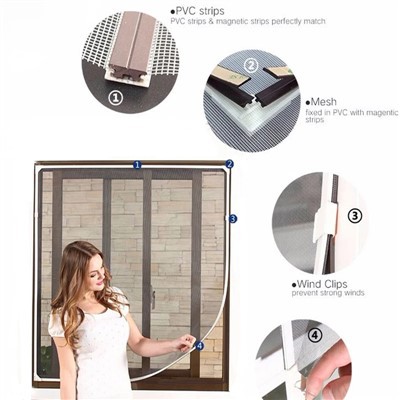
Adhesive window screens are designed to be easily installed on windows. They consist of a mesh material attached to a self - adhesive backing. The mesh is typically made of materials like fiberglass or polyester, which are known for their durability and insect - repelling properties.
The adhesive backing allows for a quick and hassle - free installation. It adheres firmly to the window frame, creating a tight seal that prevents insects from entering through the edges. The screens are also removable, which makes them convenient for cleaning and replacement.
Performance in Debris - Laden Areas
Protection Against Insects
One of the primary functions of window screens is to keep insects out. In areas with a lot of debris, the presence of leaves, twigs, or other materials on the screen may give the impression that insects can find their way through. However, our adhesive window screens are designed with a fine mesh that effectively blocks even the smallest insects.
The debris may accumulate on the outer surface of the screen, but as long as the mesh remains intact, insects will not be able to penetrate it. The tight seal created by the adhesive backing also ensures that there are no gaps for insects to sneak through.
Airflow and Ventilation
A common concern is that debris will clog the screen and reduce airflow. While it's true that a heavily clogged screen can impede ventilation, our adhesive window screens are designed with a mesh pattern that allows for sufficient air circulation.
Even when debris starts to accumulate, the open spaces in the mesh are large enough to let air pass through. However, it's important to note that regular cleaning is necessary to maintain optimal airflow. If the screen becomes completely blocked with debris, it will need to be cleaned or replaced.
Durability
The durability of adhesive window screens in debris - laden areas is a crucial factor. As mentioned earlier, different types of debris can pose various threats to the screen.
In coastal areas, the abrasive sand and corrosive salt can test the screen's resilience. Our screens are made of high - quality materials that are resistant to abrasion and corrosion. The adhesive backing is also designed to withstand the harsh coastal environment, ensuring that the screen remains firmly attached to the window frame.
In rural areas, the bulkier debris like leaves and twigs may put stress on the screen. However, the strong mesh material can withstand the weight and pressure of the debris without tearing or stretching. The adhesive backing is also strong enough to hold the screen in place even when there is a significant amount of debris on it.
In urban areas, the fine dust and soot may not cause physical damage to the screen, but they can make it look unappealing. Our screens are easy to clean, and a simple wipe with a damp cloth can remove most of the dust and soot.
Cleaning and Maintenance
Regular cleaning is essential to ensure the longevity and effectiveness of adhesive window screens in areas with a lot of debris. Here are some tips for cleaning:
- Gentle Brushing: For light debris like dust and pollen, a soft - bristle brush can be used to gently remove the particles from the screen. This should be done in a downward motion to prevent the debris from getting pushed into the mesh.
- Washing with Water: For more stubborn debris, the screen can be removed from the window and washed with water. A mild detergent can be added to the water to help break down grease and dirt. After washing, the screen should be rinsed thoroughly and allowed to dry completely before reinstalling it.
- Avoid Harsh Chemicals: Harsh chemicals can damage the mesh material and the adhesive backing. It's best to use mild, non - abrasive cleaners when cleaning the screen.
Case Studies
To further illustrate the performance of our adhesive window screens in debris - laden areas, let's look at a few case studies.
Coastal Area Case Study: A customer in a coastal town installed our Self Adhesive Window Screen on their beachfront property. After several months, they reported that the screen had effectively kept insects out, despite the constant presence of sand and salt. The screen showed minimal signs of wear and tear, and the adhesive backing remained firmly attached to the window frame.
Rural Area Case Study: In a rural area surrounded by forests, a customer installed our Adhesive Fly Screen. During the fall season, when leaves and twigs were abundant, the screen successfully blocked insects while still allowing for adequate airflow. The customer was able to easily clean the screen by gently brushing off the debris.


Urban Area Case Study: A business in a busy city installed our adhesive window screens on their office windows. The screens were exposed to dust, soot, and small pieces of litter on a daily basis. After a few weeks, the screens were still functioning well, and a simple wipe with a damp cloth was enough to keep them clean and looking presentable.
Conclusion
In conclusion, adhesive window screens are a viable solution for areas with a lot of debris. They offer effective protection against insects, allow for sufficient airflow, and are durable enough to withstand the challenges posed by different types of debris.
However, regular cleaning and maintenance are necessary to ensure their optimal performance. By following the cleaning tips provided, you can extend the lifespan of your adhesive window screens and keep them looking and functioning their best.
If you're in an area with a lot of debris and are looking for a reliable window screen solution, our Adhesive Fly Screen and Self Adhesive Window Screen are excellent choices. We are committed to providing high - quality products that meet the needs of our customers. If you have any questions or are interested in a purchase, please feel free to contact us for a detailed discussion and to start the procurement process.
References
- "Window Screen Materials and Their Properties" - Building Science Journal
- "The Impact of Environmental Debris on Window Screens" - Environmental Engineering Research Report
- "Best Practices for Cleaning and Maintaining Window Screens" - Home Improvement Magazine